
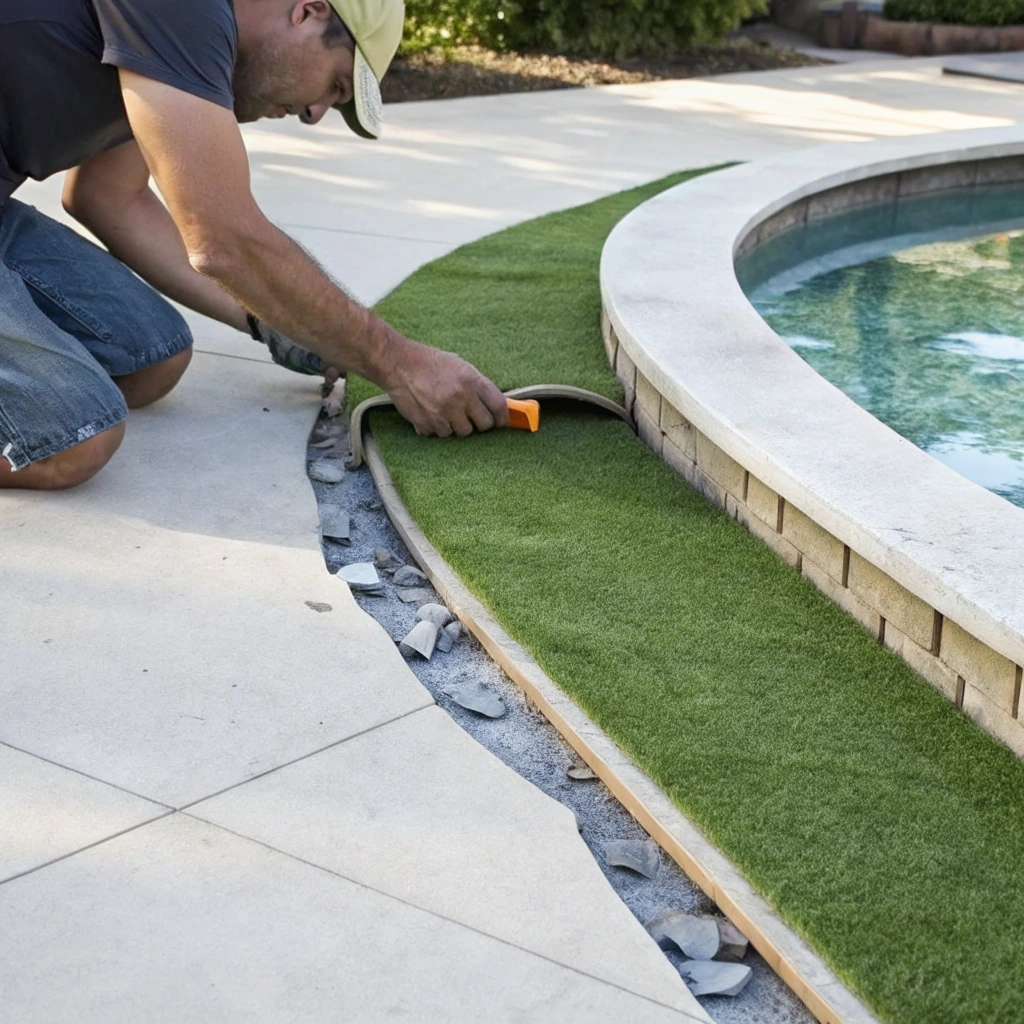
Why Old Lawn Removal Is the Foundation of Every Successful Synthetic Grass Installation
The quality of a synthetic grass installation is built from the ground up — literally. A premium turf product laid over a poorly prepared base will develop drainage problems, surface irregularity, weed intrusion, and edge instability within a fraction of its intended lifespan. The removal of the existing lawn and the preparation of the ground beneath it is not a preliminary formality — it is the stage that determines how the finished installation performs across every season and year that follows.
Kikuyu and couch grass left with root systems intact will push through a new synthetic surface within months. Uneven or uncompacted ground will produce soft spots and surface movement underfoot. Poor drainage fall established at the base preparation stage cannot be corrected once the turf is fixed and infilled. Getting old lawn removal right the first time — thoroughly, to the correct depth, with proper base assessment to follow — is what separates a synthetic grass installation that holds its form for fifteen years from one that starts failing early.

Natural Grass Removal Wollongong — Kikuyu, Couch, Buffalo and Beyond
Wollongong residential properties carry a wide range of established grass varieties, and each one presents a different removal challenge. Kikuyu is the most aggressive — a fast-spreading, deep-rooting grass with rhizomes that extend well beyond the visible surface coverage and will regrow from even small fragments left in the soil. Couch grass behaves similarly, with a dense lateral root network that requires thorough removal to depth rather than a surface scrape. Buffalo varieties produce a thicker, denser turf profile that holds more organic material at the base and requires complete stripping to expose workable ground beneath. Ryegrass and fescue lawns are generally more straightforward to remove but still require full root clearance to prevent decomposition issues beneath the new installation.
We assess the grass variety and current condition of each Wollongong property before removal begins. The depth of cut, the method of extraction, and the level of follow-up ground treatment required vary by grass type — and we adjust our approach accordingly rather than applying a single standard method across every site.
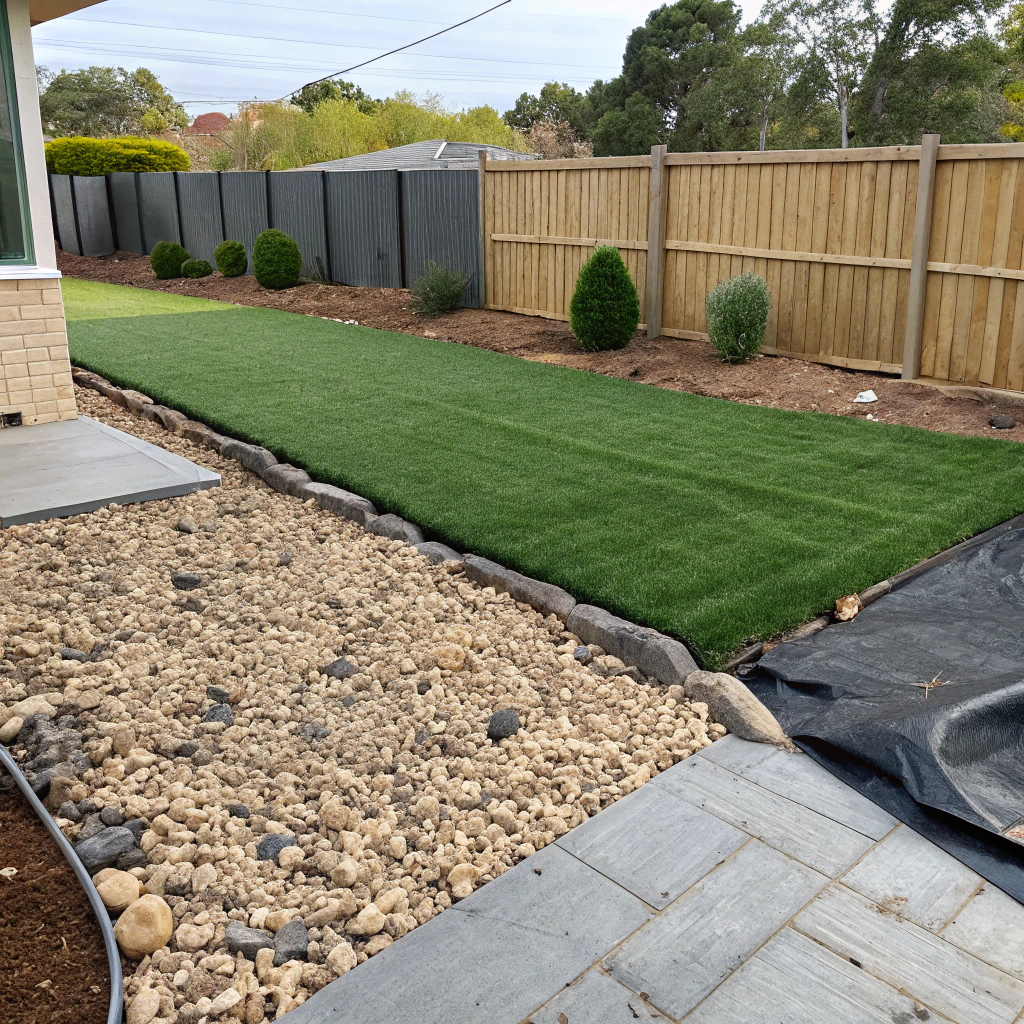
Complete Root and Rhizome Removal for Long-Term Weed Suppression
Why Surface Removal Alone Is Not Enough
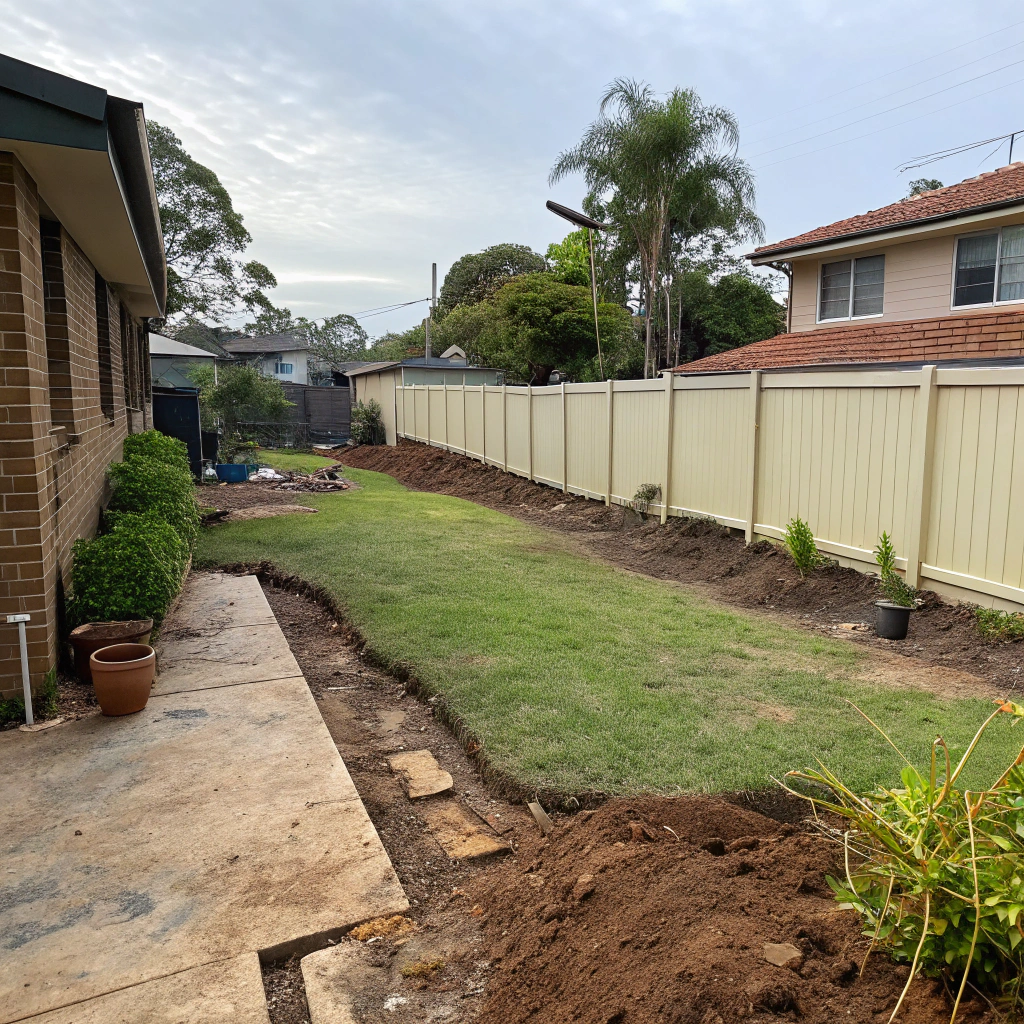
Removing visible grass from the surface is the starting point — not the finish line. Kikuyu and couch in particular store energy in their root and rhizome systems well below the turf profile, and those systems remain viable after the surface has been stripped. Without removal to the correct depth, regrowth pushes upward through the base layer and into the synthetic turf above, compromising the installation’s appearance and surface integrity from beneath.
How We Remove Root Systems Across Wollongong Properties
Our removal process targets the full depth of the root and rhizome system — not just the visible turf layer. Depending on grass variety and how long the lawn has been established, this means cutting and extracting to a depth that eliminates regrowth risk before base preparation begins. Sites with long-established kikuyu or couch coverage receive additional ground treatment as part of the preparation process.
Base Preparation That Further Suppresses Organic Regrowth
Following physical removal, the exposed ground is prepared in a way that actively discourages any remaining organic material from re-establishing. The compacted base layer and the geotextile weed matting installed as part of the synthetic grass system work together to suppress residual root activity — providing a long-term barrier that supports the performance and appearance of the finished installation across its full lifespan.
Old Synthetic Grass Removal and Site Clearance
Replacing an existing synthetic grass installation requires more than pulling up the old turf and laying new product on top. A properly executed removal involves stripping the old turf product in full, extracting all fixing components including nails, staples, and joining tape, removing adhesive residue from hard edges and garden borders, and clearing the infill material — typically sand or rubber crumb — from the exposed base before any assessment of the ground beneath can begin.
The condition of the base layer under an old synthetic installation varies considerably. Some sites retain a sound, compactable base that requires only minor regrading before the new installation proceeds. Others — particularly where the previous installation was laid over inadequate preparation, or where drainage has been compromised over the product’s lifespan — require more substantial base remediation before the site is ready.
We manage complete removal and clearance of existing synthetic grass installations across Wollongong, leaving the site clean, assessed, and correctly prepared for the new product to be installed to the standard it deserves.
Ground Levelling and Grading After Lawn Removal
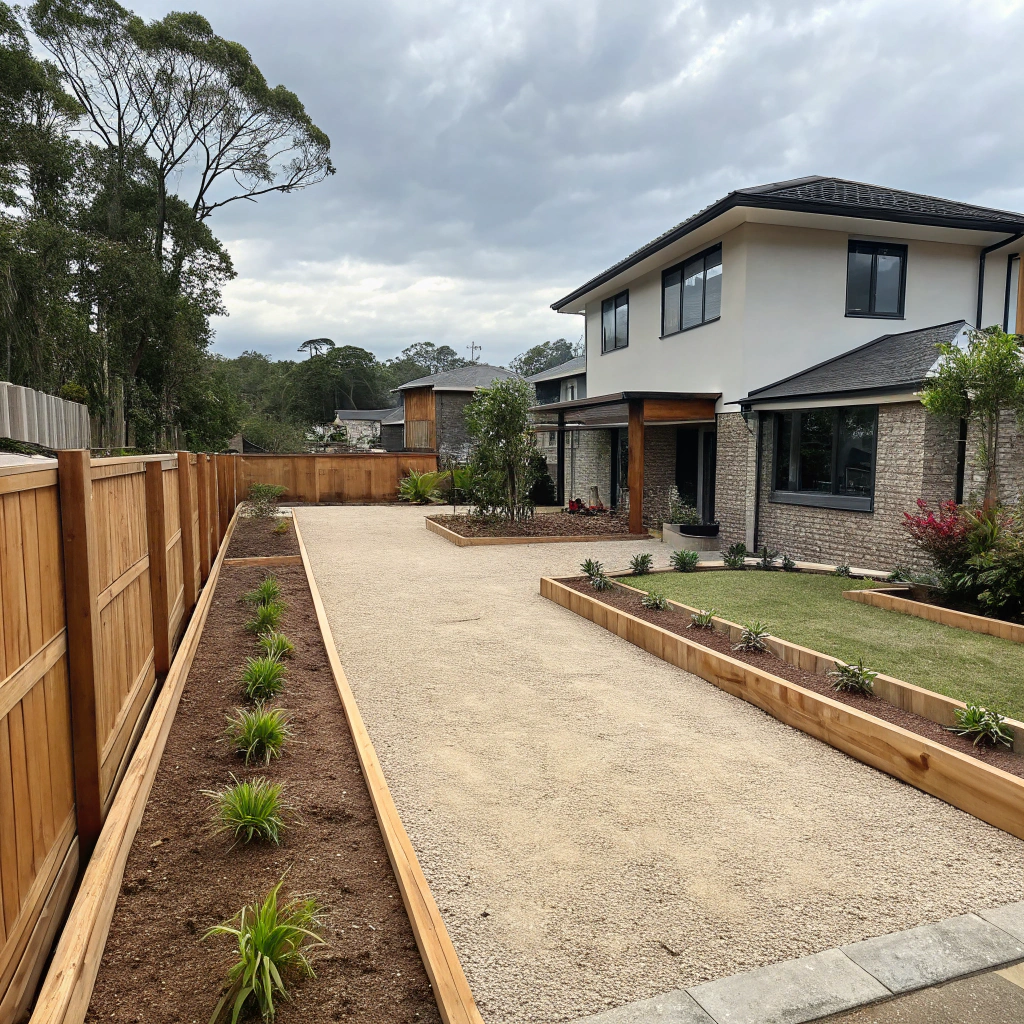
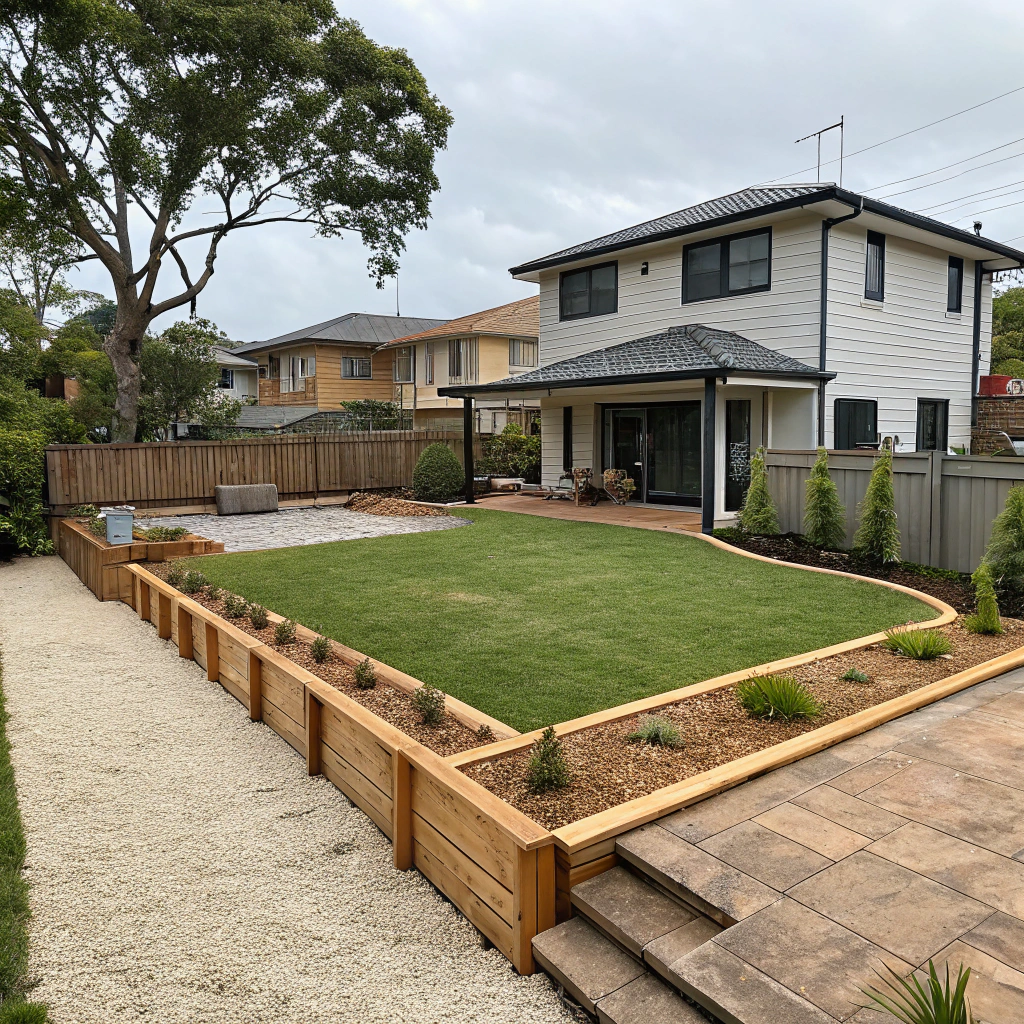
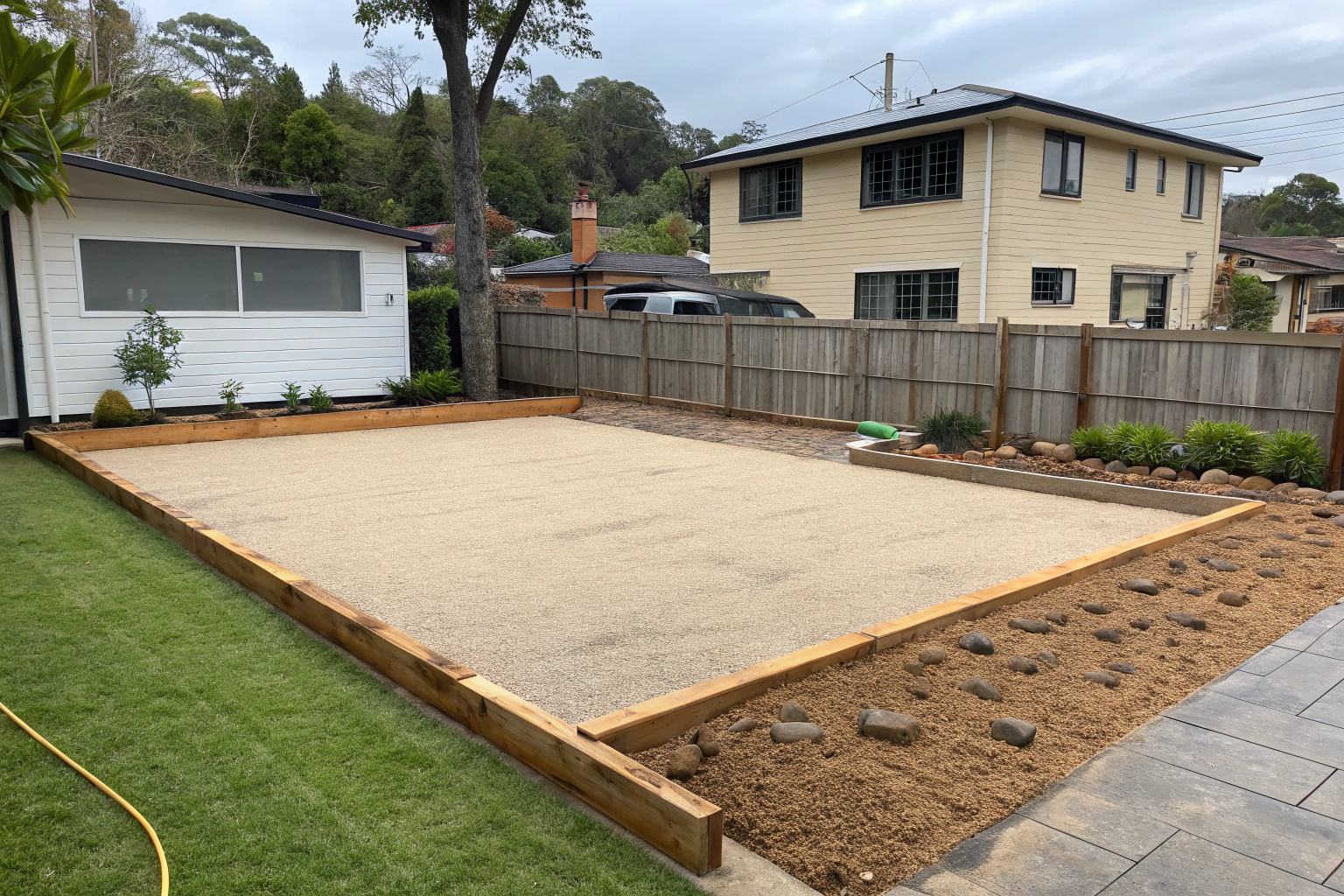
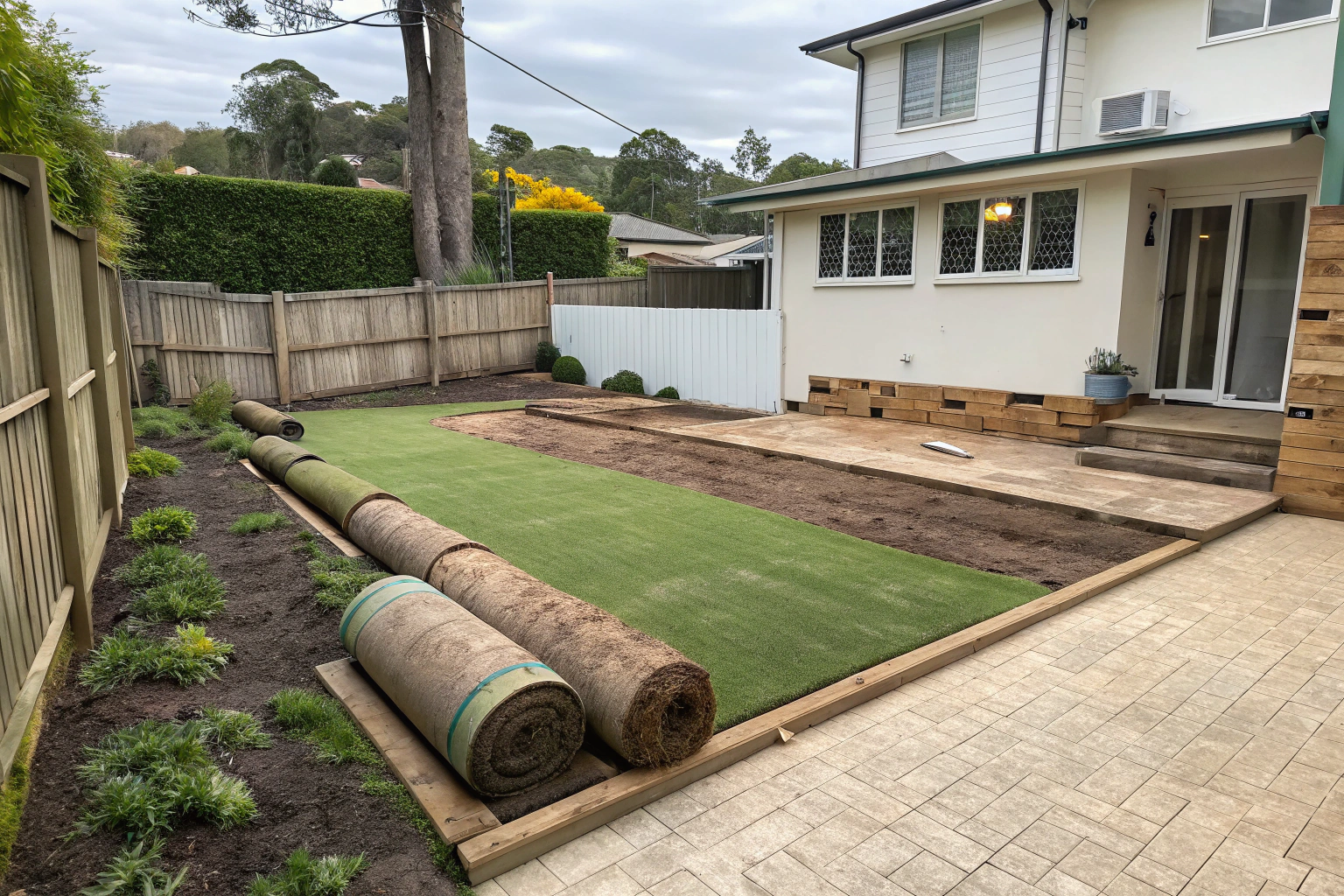
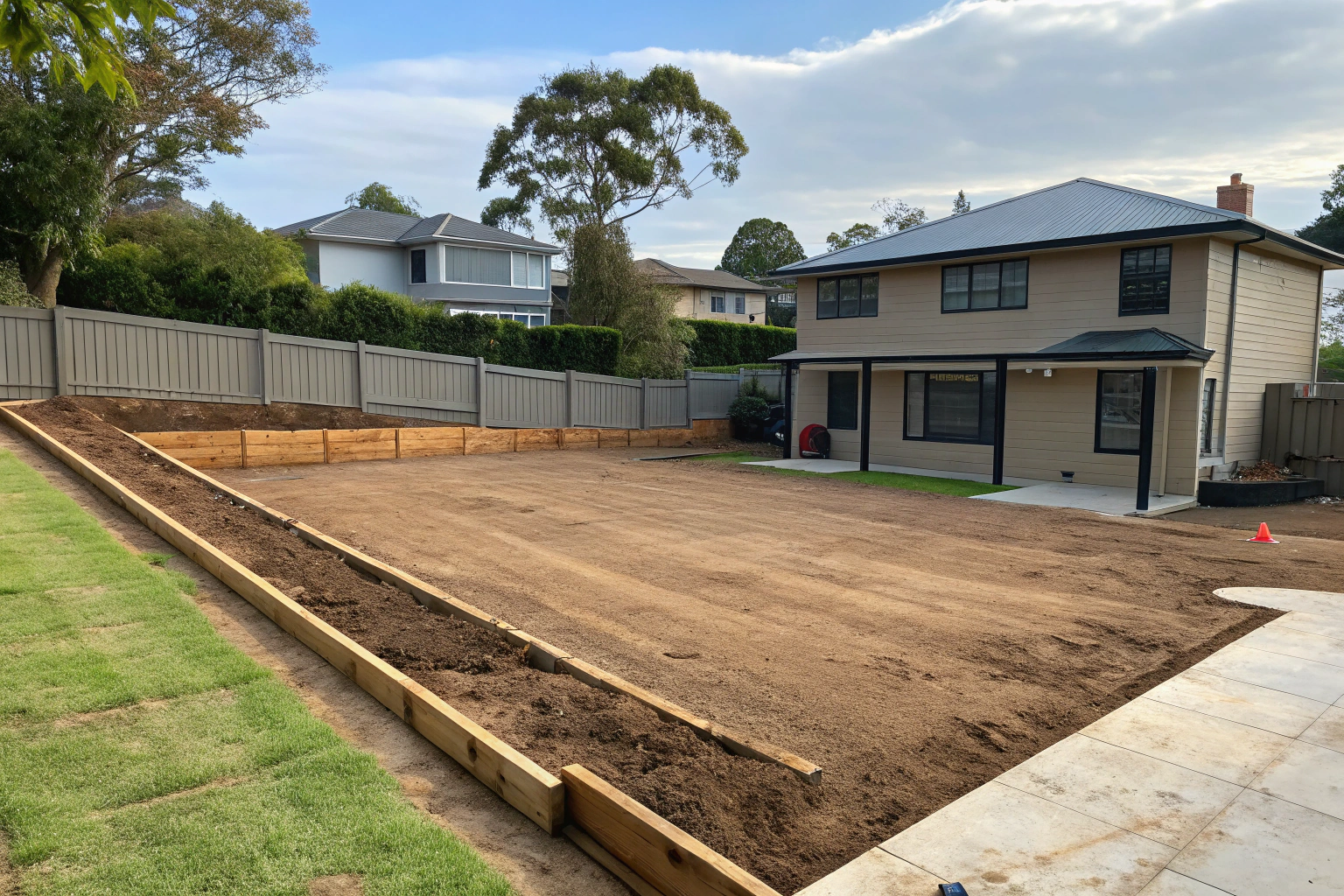
Old lawn removal exposes the ground beneath — and what that ground looks like varies significantly from one Wollongong property to the next. Some sites reveal a relatively even base that requires only minor treatment before installation proceeds. Others expose significant undulation, low spots, compaction inconsistencies, and areas of organic buildup that have developed beneath years of established lawn coverage. Addressing these conditions at the preparation stage is what produces a finished synthetic grass surface that sits flat, drains correctly, and feels consistent underfoot across the full installation area.
Grading establishes the correct fall across the site — directing surface water away from structures, toward designated drainage points, and away from fence lines and garden edges where pooling creates ongoing issues. In Wollongong’s climate, where heavy rainfall events are frequent and prolonged, establishing correct drainage fall at the base preparation stage is not optional. A synthetic grass surface laid over ground with inadequate fall will hold water regardless of the permeability of the turf product above it. We grade every site to the correct specification before installation begins.
Drainage Assessment and Base Preparation Across Wollongong Properties
Wollongong’s rainfall pattern — frequent, high-intensity events driven by the Illawarra Escarpment’s interaction with coastal weather systems — makes drainage assessment a non-negotiable part of every site preparation. A base that drains adequately in a dry Sydney western suburb will underperform on an Illawarra property where the same volume of water arrives in a fraction of the time. We assess drainage conditions at each site before base preparation begins, and the preparation approach is shaped by what that assessment reveals.
On properties where the existing soil profile creates drainage retention — particularly on clay-dominant inland sites across Dapto, Horsley, and Albion Park — base preparation may incorporate aggregate drainage layers or cell drainage systems beneath the compacted base to move water through the profile efficiently. Coastal properties with sandier soil profiles typically drain more freely but still require correct grading and compaction to perform consistently. Every Wollongong site is assessed on its own conditions, and the base preparation specified reflects those conditions rather than a standard formula applied regardless of what the ground actually requires.
Clay Soils Inland vs Coastal Sandy Soils — Different Sites, Different Approaches
| Clay-Dominant Inland Soils | Coastal Sandy Soils |
|---|---|
| Suburbs like Dapto, Horsley, Albion Park, and Farmborough Heights sit on clay-heavy soil profiles that retain moisture long after a rain event. Clay compacts well under load but drains poorly without intervention — water sits in the profile rather than moving through it. Base preparation on these sites typically incorporates aggregate drainage layers beneath the compacted base, and grading is specified carefully to direct surface water toward drainage points rather than allowing it to pond within the installation area. | Suburbs closer to the coastline — Thirroul, Bulli, Corrimal, and Wollongong CBD — tend to carry sandier soil profiles that drain more freely by nature. The reduced drainage retention is an advantage, but sandy soils compress and shift more readily under load, making compaction and base stabilisation a critical step in the preparation process. A poorly compacted sandy base will develop surface movement and soft spots beneath a synthetic grass installation over time, particularly in high-traffic areas. Correct compaction specification on coastal sites is what maintains surface consistency across the installation’s full lifespan. |
Frequently Asked Questions — Old Lawn Removal Wollongong
Yes. Complete on-site clearance and responsible disposal of all removed turf, root material, soil, and waste is included in our service price. No skip bins or independent green waste disposal required.
Most standard suburban backyard removals across Wollongong are completed within a single day, leaving the site clean, level, and ready for the next stage of works to begin.
Yes. Kikuyu removal goes beyond the visible surface layer. We extract to a depth that eliminates the root and rhizome system, removing regrowth risk before base preparation begins.
Yes. We manage the complete removal of old synthetic grass installations, including the turf product, all fixing components, adhesive residue, and infill material, leaving the base fully cleared and assessed.
Yes. Old lawn removal is available independently of synthetic grass installation — for property owners preparing a site for paving, decking, garden redesign, or other landscaping works.
Clay-dominant soils retain moisture and compact differently from coastal sandy soils. Base preparation on clay-heavy sites typically incorporates aggregate drainage layers and careful grading to establish correct drainage fall.
Get a Free On-Site Assessment for Old Lawn Removal in Wollongong
Old lawn removal done correctly is the difference between a synthetic grass installation that performs from day one and one that creates problems within the first season. We provide free on-site assessments across Wollongong and the broader Illawarra — inspecting the existing surface, identifying the removal approach required, and providing honest, detailed pricing that covers complete removal, base preparation, and full site clearance with nothing left for the property owner to manage independently.
There are no hidden costs, no skip bins to organise, and no ambiguity about what is and isn’t included. Contact us today to arrange your free on-site assessment — and get your site prepared to the standard your synthetic grass installation deserves.
