
Sports Applications We Install Across the Illawarra
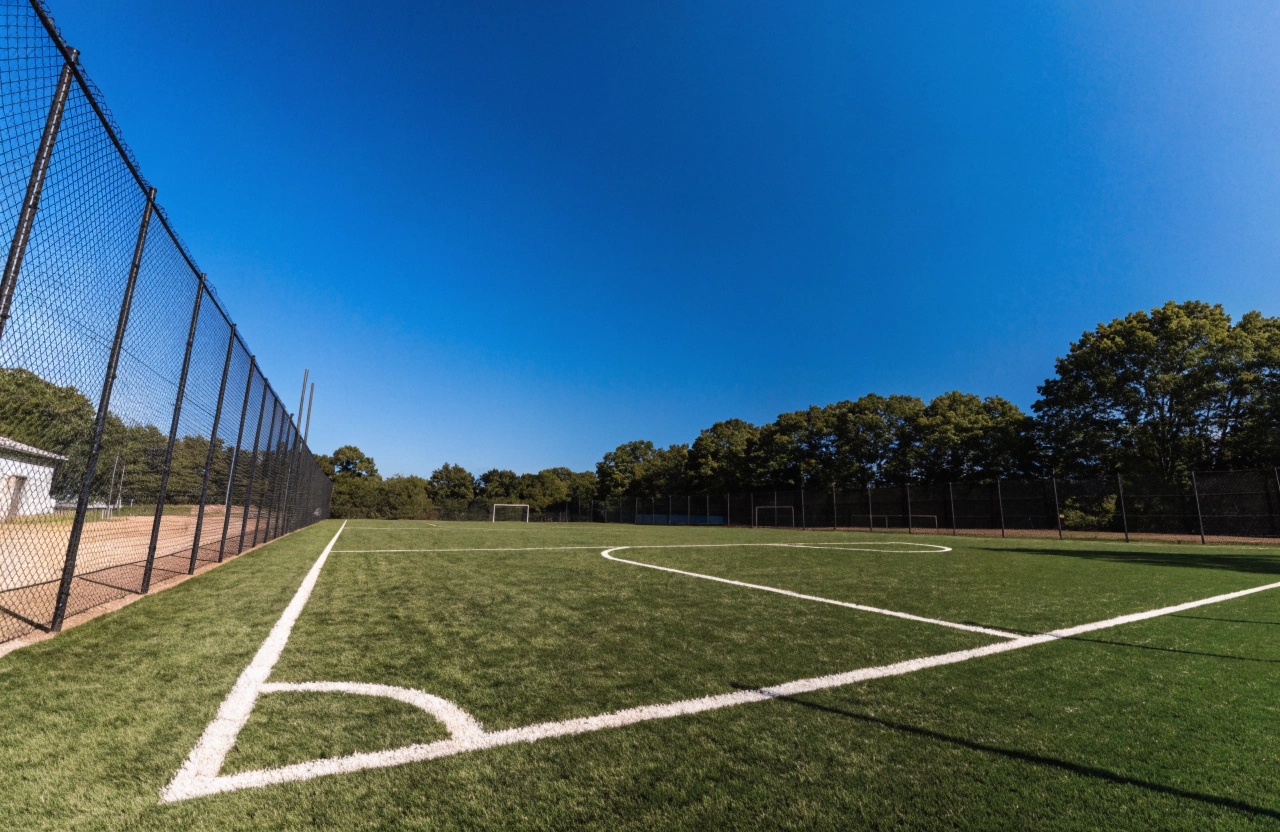
Our synthetic sports turf installation service covers the full range of playing surfaces used by clubs, schools, councils, and private venues across Wollongong and the wider Illawarra region. Each application has distinct technical requirements — pile height, infill type, shock absorption rating, and surface hardness specifications all vary by sport — and our installations are designed and specified accordingly.
Sports surfaces we install:
• Football and soccer — training and match-grade surfaces for junior and senior competitions, including full-size and modified field configurations
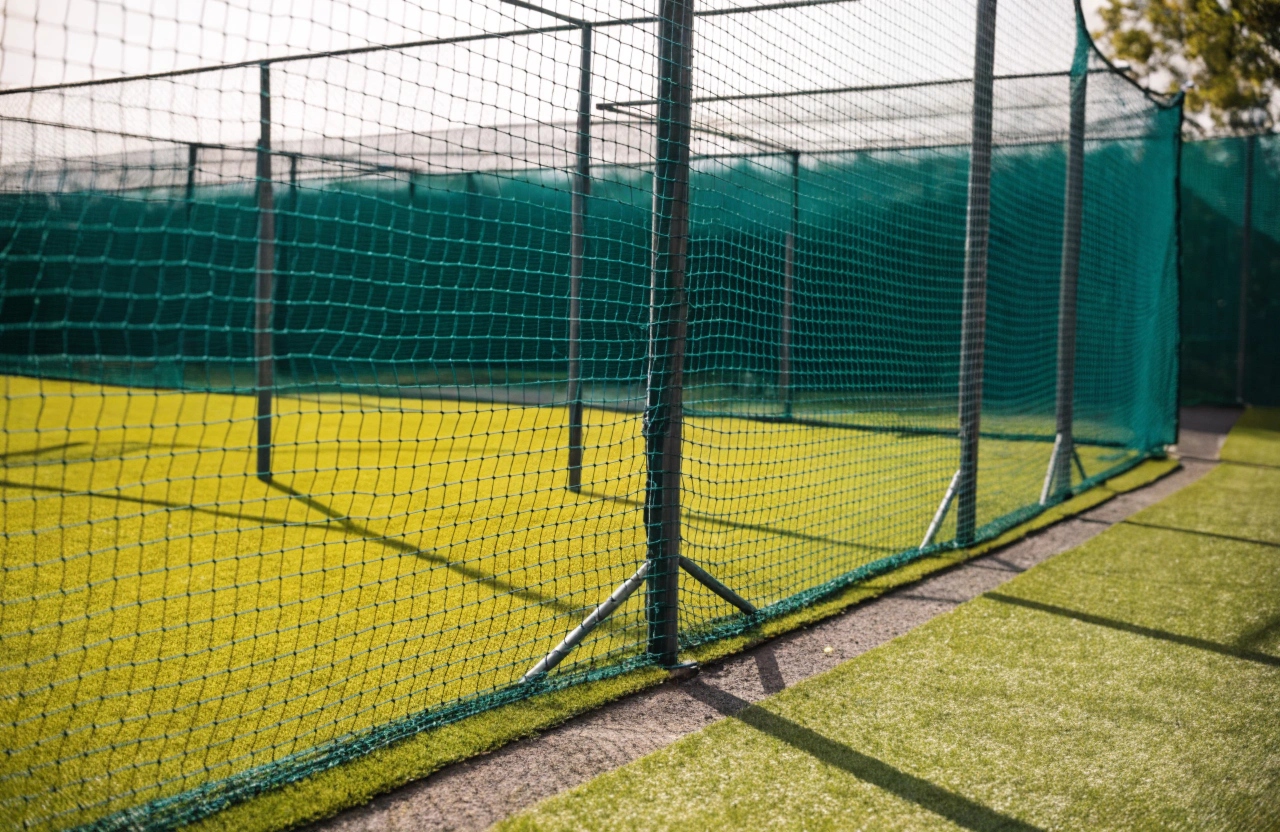
• Cricket — practice nets, run-up corridors, and synthetic outfield sections engineered for consistent ball bounce and player safety
• Tennis — hard-wearing synthetic grass courts built to Tennis Australia surface specifications
• Rugby league and union — high-traffic training areas and match surfaces with appropriate shock pad systems for player safety
• Basketball and multi-sport courts — synthetic surfaces suitable for multiple codes within a single marked surface
• General recreation and school grounds — multi-use surfaces designed for high-frequency use across mixed activities and age groups
Whether a club is upgrading a single training paddock or a school is replacing an entire oval, the installation scope and specification are built around the primary sport, usage volume, and governing body requirements relevant to that facility. Getting this match right at the design stage is what determines whether a surface performs as intended for its full service life.

Technical Standards and Performance Requirements
Synthetic sports turf is a regulated product category — and for good reason. The performance characteristics of a sports surface directly affect player safety, game quality, and the long-term liability position of the facility operator. Standard artificial grass products designed for residential landscaping are not appropriate for organised sport, and the distinction matters significantly when a club or council is accountable to a governing body, a parent group, or an insurer.
Each major sport has published technical standards that certified surfaces must meet:
| Governing Body | Standard Covers |
| FIFA Quality Programme | Ball roll, shock absorption, vertical deformation, surface hardness |
| World Rugby | Impact attenuation, energy restitution, rotational traction |
| Tennis Australia | Surface pace rating, ball bounce consistency, foot stability |
| Sport Australia | General recreational surface safety and performance benchmarks |
Key performance specifications our installations are designed around:
• Shock absorption and impact attenuation — reducing injury risk from falls and repeated loading
• Surface hardness — measured against sport-specific acceptable ranges
• Pile height and density — specified per sport for appropriate ball interaction and foot stability
• Infill system — sand, rubber, or hybrid systems selected for the application
• Vertical deformation — surface give under load, relevant to joint health over time
Specifying to these standards is not optional for clubs seeking affiliation approval or councils managing public liability. Our installations are built to meet or exceed the relevant technical benchmarks for each sport and surface type.
Wollongong and Illawarra Sports Community
The Illawarra region supports one of the most active community sports networks in regional New South Wales. Football, cricket, rugby league, rugby union, and tennis clubs operate across dozens of suburbs — from Fairy Meadow and Corrimal in the north through Unanderra, Figtree, and Dapto to Shellharbour and Kiama in the south. School sporting precincts, council-managed recreation reserves, and private sporting venues add to a substantial base of facilities that are either approaching the end of their natural turf lifecycle or facing growing participation numbers their current surfaces cannot accommodate.
Several converging pressures are driving upgrade decisions across the region right now:
• Rising participation in junior football and cricket is placing more weekly hours on surfaces already stretched by senior competition schedules
• Council maintenance budgets are under sustained pressure, making the ongoing cost of natural turf increasingly difficult to justify against a synthetic alternative with a 10–15 year service life
• Governing body requirements for affiliated clubs are tightening around minimum surface standards, particularly for clubs seeking higher-grade competition status
• Insurance and duty-of-care obligations are sharpening facility operators’ focus on surface safety and compliance documentation
Wollongong’s climate compounds every one of these pressures. The Illawarra’s high annual rainfall, clay-heavy soils, and persistent winter humidity accelerate natural turf deterioration at a rate that facilities in drier regions simply don’t experience. Synthetic sports turf addresses the climate problem and the budget problem simultaneously — a combination that is making it the default upgrade path for forward-planning clubs and councils across the region.
Safety and Compliance for Sports Surfaces
For school administrators, council officers, and club committees approving a synthetic sports turf investment, safety and compliance documentation is not a secondary concern — it is a primary accountability requirement. The facility operator is responsible for the surface their players train and compete on, and that responsibility extends to the product specifications, installation standards, and ongoing performance of the surface over its full service life.
Our installations are specified and supplied to meet the following safety and compliance requirements:
| Requirement | What It Means in Practice |
| Impact attenuation | Surface absorbs sufficient force to reduce head and joint injury risk to within accepted thresholds |
| Lead-free product certification | All turf fibres and infill materials certified free of heavy metals and harmful compounds |
| UV stability rating | Turf fibres tested for colour retention and structural integrity under prolonged sun exposure |
| Australian Standards compliance | Products and installation methods meeting relevant AS/NZS standards for sports surface applications |
| Manufacturer product certification | Independent third-party testing documentation available for specified products |
Beyond product certification, installation quality directly determines safety outcomes. A surface installed on an uneven base creates tripping hazards. Poorly tensioned turf develops lifting edges. Inadequate shock absorption increases injury rates over time. These are not theoretical risks — they are documented failure modes in installations where specification or workmanship fell short.
Facility operators presenting a synthetic sports turf investment to a board, council, or school leadership team need confidence that the installer operates at a level where compliance documentation, product certification, and installation accountability are standard — not optional extras.

Why Specialist Installation Matters for Sports Surfaces
The gap between a residential artificial grass installer and a synthetic sports turf specialist is significant — and for a facility making a capital investment of this scale, the difference in outcome is material. Sports turf projects involve engineering decisions, compliance obligations, and performance specifications that fall well outside the scope of standard landscaping work.
What separates specialist sports turf installation:
• Sport-specific design knowledge — understanding how pile height, infill density, and surface hardness interact differently for football versus cricket versus tennis
• Drainage engineering capability — designing subsurface systems that handle Illawarra rainfall volumes without compromising surface hardness or creating waterlogging between fixtures
• Base construction experience — compacting sub-base material to the tolerances that sports surface performance depends on, not the tolerances adequate for a residential lawn
• Compliance documentation — producing the product certification, installation records, and performance testing results that institutional buyers require for governance and insurance purposes
• Project management — coordinating site preparation, materials delivery, and installation sequencing across a project that may involve multiple contractors and a facility that cannot afford extended downtime
Clubs and councils across Wollongong and the Illawarra that have invested in synthetic sports surfaces and later faced drainage failures, uneven playing areas, or premature turf degradation have typically traced the problem back to one of these gaps. Selecting an installer with demonstrated experience across the full project scope — from initial brief through to final handover — is the single most effective risk management decision available to a facility operator at the procurement stage.
Frequently Asked Questions
A correctly specified and installed synthetic sports turf surface typically delivers a 10–15 year service life under regular competition and training use. Longevity depends on the quality of the product specified, the standard of base preparation, and the usage volume the surface carries each week. Surfaces subject to extremely high weekly hours — such as multi-club shared facilities — may reach the lower end of that range, while well-maintained lower-volume surfaces regularly exceed it.
Synthetic surfaces eliminate the mowing, irrigation, fertilising, and re-turfing costs associated with natural grass, but they are not entirely maintenance-free. Regular brushing keeps infill distributed evenly and pile fibres upright. Debris removal after heavy use and periodic infill top-up are standard requirements. Compared to the ongoing maintenance cost of natural turf in the Illawarra’s climate, the maintenance demand of a synthetic sports surface is substantially lower.
Yes. Multi-sport synthetic surfaces are a common installation type for schools and council recreation precincts where budget and space require a single surface to serve multiple codes. The specification — pile height, infill system, and surface hardness — is designed around the primary sport, with line marking configured for all intended uses. Some performance compromises apply when a single surface must serve sports with significantly different technical requirements.
Properly engineered drainage is built into every synthetic sports turf installation we complete across the Illawarra. Subsurface drainage systems are sized for local rainfall intensity, allowing surfaces to drain rapidly after heavy rain events and return to a playable condition well ahead of natural turf alternatives.
Project timelines vary with surface area, site conditions, and current scheduling. Smaller installations such as cricket nets or training areas can be completed within one to two weeks. Full-field installations involving significant earthworks and drainage construction typically require four to eight weeks from site mobilisation to handover. A detailed programme is produced at the project planning stage.
Get a Quote for Your Wollongong Sports Turf Project
Synthetic sports turf installation is a significant capital investment — and the decisions made at the specification and design stage determine whether that investment delivers its full return over the life of the surface. Clubs, schools, and councils across Wollongong and the Illawarra that are ready to move beyond the seasonal limitations and ongoing costs of natural grass deserve a detailed, transparent process from the first conversation through to final handover.
We work with facility operators across the region to deliver sports-grade synthetic turf installations that meet governing body requirements, pass compliance scrutiny, and perform consistently across years of heavy use. From a single cricket practice net in Kiama to a full multi-sport precinct in Shellharbour, every project begins with a formal site assessment and a detailed project proposal built around the specific sport, usage profile, and budget parameters of that facility.
Our process starts with:
• A site assessment covering existing conditions, drainage evaluation, and sport-specific surface requirements
• A feasibility discussion addressing timeline, staging options, and budget structuring for larger projects
• A detailed project quote specifying product, base construction, drainage design, line marking, and project programme
Facility operators across Fairy Meadow, Unanderra, Dapto, Shellharbour, Kiama, and surrounding Illawarra suburbs are welcome to contact us directly to arrange an initial consultation. This is a no-obligation conversation — the right starting point for any organisation making a considered infrastructure decision of this scale.
Contact us today to arrange your site assessment and project quote.
