
What is the best turf for a putting green?
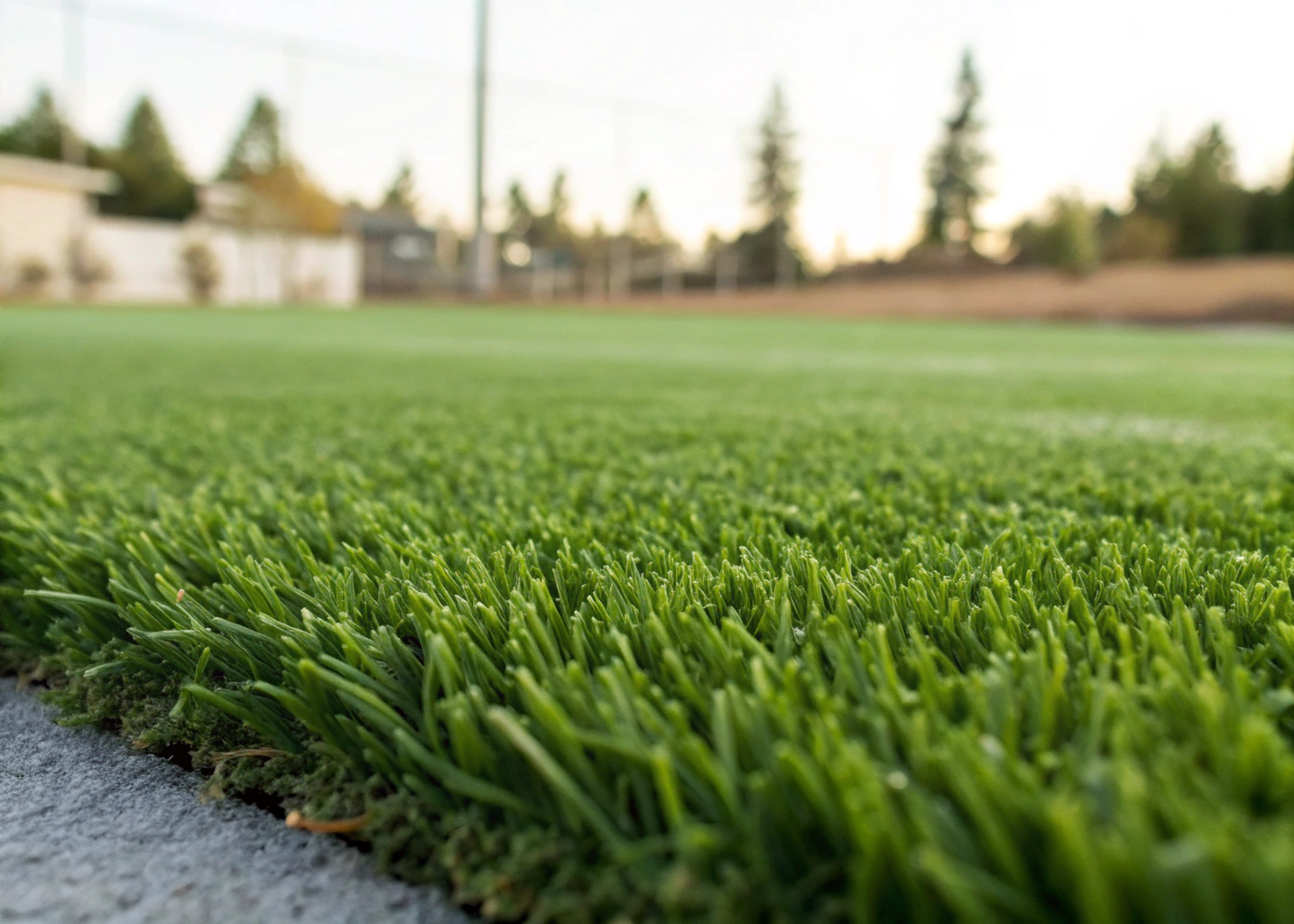
For a synthetic putting green, nylon turf is the better choice over polypropylene. Nylon fibre has memory — it springs back after ball and foot traffic, keeping the roll surface consistent over time. Polypropylene doesn’t recover. It flattens permanently under repeated use, and once it flattens, the roll speed degrades and stays that way. Pile height matters too — genuine putting green product sits in the 10–15mm range. Anything above that is a lawn product, not a green surface. We supply the right product for both here in Wollongong.
What separates genuine putting green turf from standard low-pile lawn turf:
- Fibre type: nylon preferred over polypropylene
- Pile height: 10–15mm range for genuine putting green product
- Infill: fine angular sand or specialist putting green infill required

Why Putting Green Turf Is a Performance Product, Not a Lawn Product
There’s a lot of low-pile synthetic grass on the market that gets described as “suitable for putting greens.” Some of it looks the part.
The problem is that looking the part and playing the part are two very different things.
When you put a ball down on the wrong product, you feel it immediately. The roll is inconsistent, the speed is off, and the surface degrades faster than it should under regular use.
Selecting a lawn product for a putting green application doesn’t just produce a subpar practice experience — it means rebuilding the surface sooner than you planned.
Our putting green turf supply starts with the right product category — a synthetic putting green surface engineered for ball roll performance, not one repurposed from a residential lawn range.
Understanding Stimpmeter Speed and What It Means for Your Green
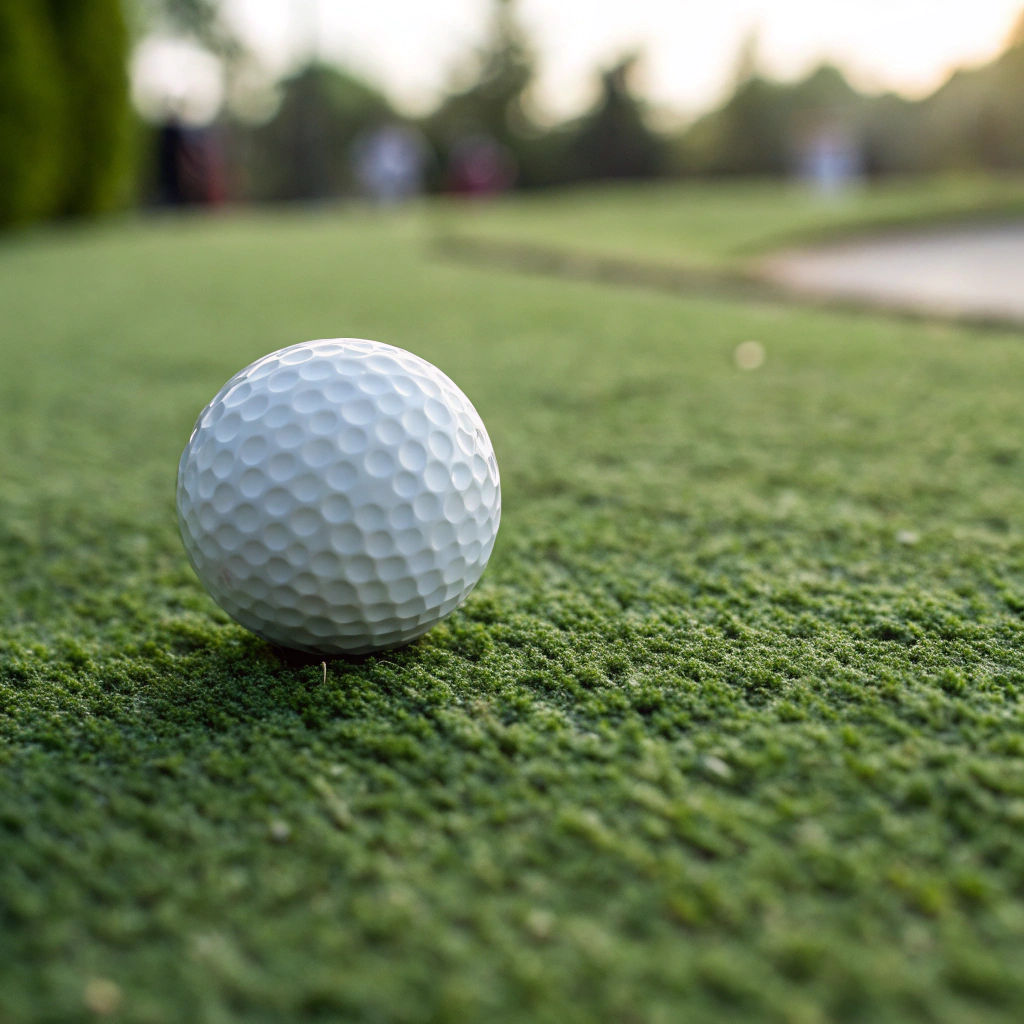
A stimpmeter measures how far a ball travels from a standardised ramp — it’s the number tour commentators reference when they talk about how fast the greens are playing that week.
Pro tournament greens typically run between 10 and 13 feet. A well-built synthetic green targets 7–10 feet — enough of a challenge to make practice meaningful, without being unplayable for recreational use.
What’s worth knowing is that surface speed isn’t determined by turf product alone. Pile height, fibre type, infill depth, and base construction all work together to hit a target speed range. Changing one variable changes the result.
We can advise on the right combination of specs to get your green playing at the speed you’re after — whether that’s a fast tournament-style surface or something more forgiving for casual use.
For the technical standard behind stimpmeter measurement, the USGA stimpmeter specification is the reference point the industry works from.
Infill Selection for Putting Green Turf
Standard silica sand — the infill used in most residential lawn installations — is the wrong product for a putting green.
What a putting green needs is fine angular sand or a specialist putting green infill, applied at a precise depth. That depth directly controls surface speed. Too much infill buries the pile and slows the surface down. Too little creates inconsistency across the green.
Getting the infill right is just as important as getting the turf right. A quality nylon putting green turf product installed over the wrong infill will still play poorly.
We supply the correct putting green infill alongside our turf product, so you’re not sourcing two critical components from two different places and hoping they work together.
Fringe Turf: The Component Most Putting Green Projects Get Wrong
Fringe is the collar of turf that surrounds the green surface — typically sitting at 25–30mm pile height. It’s the transition between the green and the surrounding landscape.
Most people focus all their attention on the green surface itself and treat the fringe as an afterthought. That’s a mistake.
Without a matched fringe product, two things happen. The green looks unfinished — the visual transition is abrupt and it reads as amateur. And the chip-on approach plays unrealistically, because the ball behaves differently moving from fringe onto green than it would on a properly matched surface.
We supply matched fringe turf alongside our primary putting green surfaces. One local supplier for both components — no mismatched products, no guesswork on how they’ll play together.
Base, Underlayment, and What Goes Under a Quality Putting Green
The base is where most putting green projects either succeed or fall apart.
A standard lawn installation has some tolerance for minor base imperfections — the longer pile hides a lot. A putting green has none. Any unevenness in the base shows up immediately in the roll, and once the turf is down, there’s no fixing it without pulling the whole thing up.
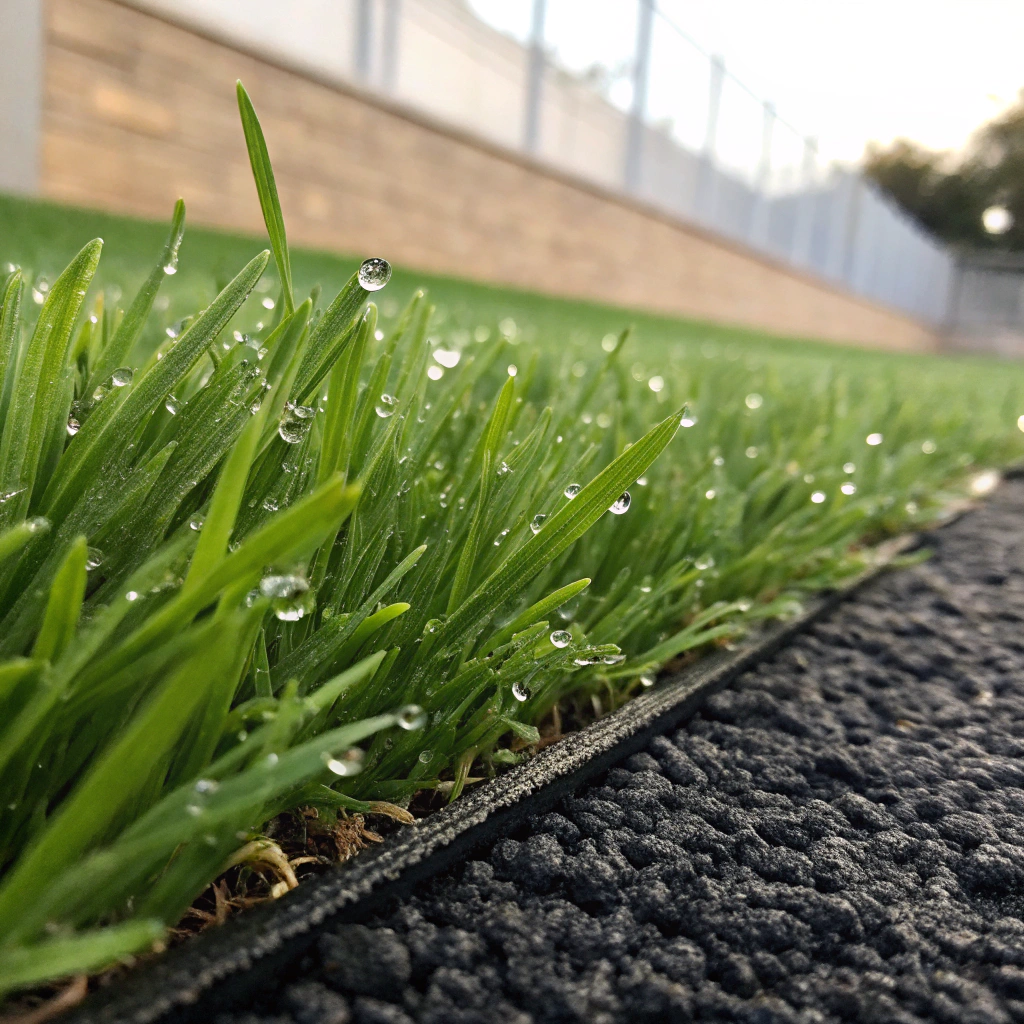
Base construction for a putting green needs to be shaped, contoured, and compacted correctly before a single piece of turf goes down. On top of that, a specialist foam underlayment gives you a consistent base layer and adds underfoot comfort for anyone walking the green.
Drainage matters too. The Illawarra gets significant rainfall, and a putting green base needs to handle that without creating wet spots that affect the roll surface.
We can supply and advise on the full base and underlayment package — not just the turf on top.
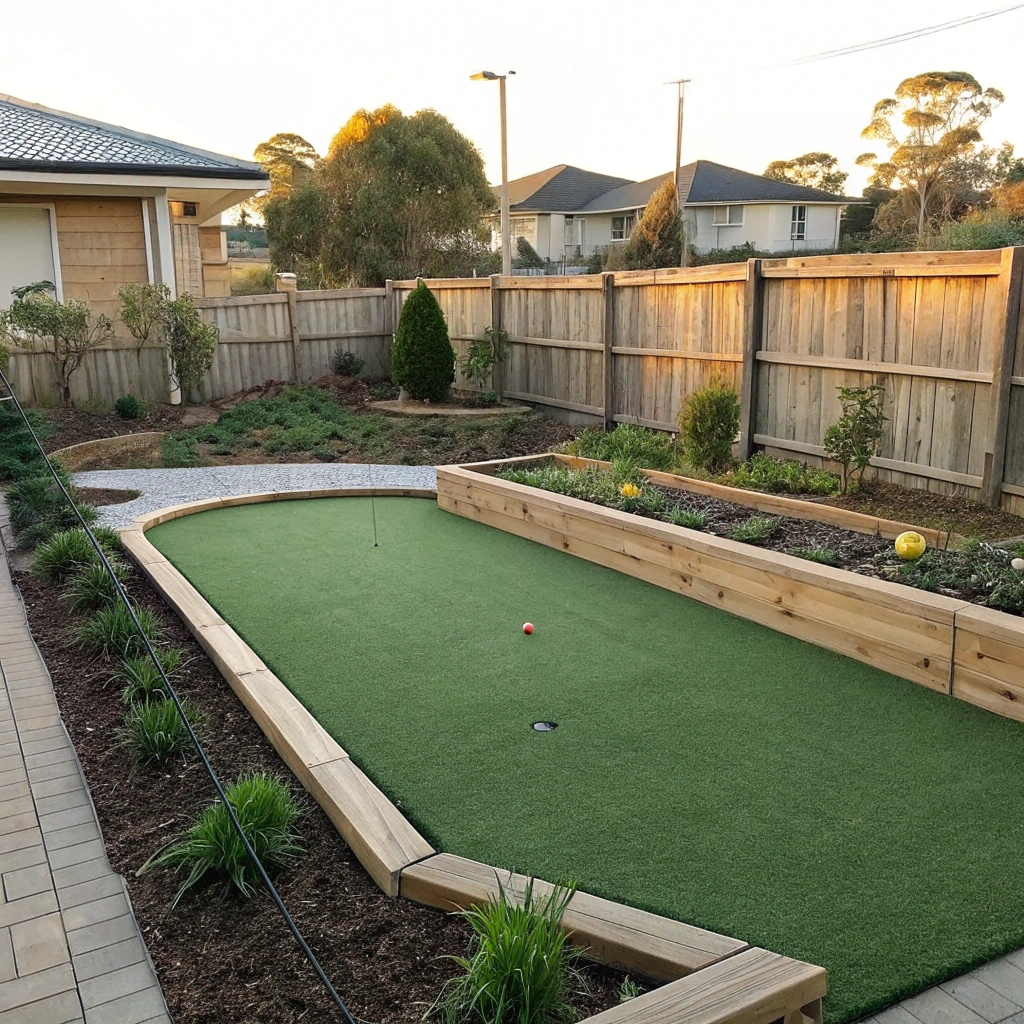
Putting Green Projects We Supply Across the Illawarra
Supplying Trade: What Landscapers and Contractors Need From a Putting Green Turf Supplier
If you’re a landscaper or outdoor living contractor building a putting green for a client, what you need from a supplier is pretty straightforward.
You need someone who knows the product well enough to give you a straight answer on spec. You need the full component range — green turf, fringe turf, infill, underlayment — available from one source, so you’re not chasing three different suppliers to get one project over the line. And you need product documentation you can hand off to your client at completion.
That’s how we work with trade. We’re not a retail operation that manages trade enquiries as an afterthought. We know putting green turf supply, we stock the full component range, and we can turn around product specs and documentation for your client handoff.
If you’re pricing a putting green project for a client across the Illawarra, get in touch with us directly. We’ll sort out trade pricing and make sure you have everything you need before the job starts.
Frequently Asked Questions
Nylon turf is the best choice. It recovers after foot and ball traffic, keeps the roll surface consistent, and lasts significantly longer than polypropylene alternatives.
We recommend 10–15mm for a genuine putting green surface. Anything above that plays more like a lawn than a green.
We don’t recommend it. Standard lawn turf isn’t engineered for ball roll consistency. It might look similar but it plays completely differently — and it won’t hold up under regular putting traffic the way a specialist product will.
We use fine angular sand or specialist putting green infill — not standard silica sand. The type and depth of infill directly affects surface speed, so getting this right matters as much as the turf product itself.
Yes, and it’s something a lot of projects get wrong. Fringe turf sits at a higher pile height around the collar of the green. Without it, the green looks unfinished and the chip-on approach doesn’t play realistically.
That depends on the pile height, fibre type, infill depth, and base construction working together. A well-built synthetic green typically targets 7–10 feet on the stimpmeter — a meaningful practice challenge without being unplayable for recreational use. We can advise on the right spec combination for your target speed.
Yes. We supply hospitality venues, golf retailers, corporate offices, and resort properties across the Illawarra. We can provide full product documentation and specs for client-facing use on commercial jobs.
Get Your Putting Green Turf Supply Quote in Wollongong
Not sure which surface is right for your project? We’ll talk you through the options, match you with the right product for your practice goals, and put together a full supply quote — whether you’re building a compact backyard green in Figtree or fitting out a commercial venue across the Illawarra.
Call us today on 02 4202 6370 to request a sample or get a supply quote.
