
What Is the Best Infill for Artificial Grass in Australia?
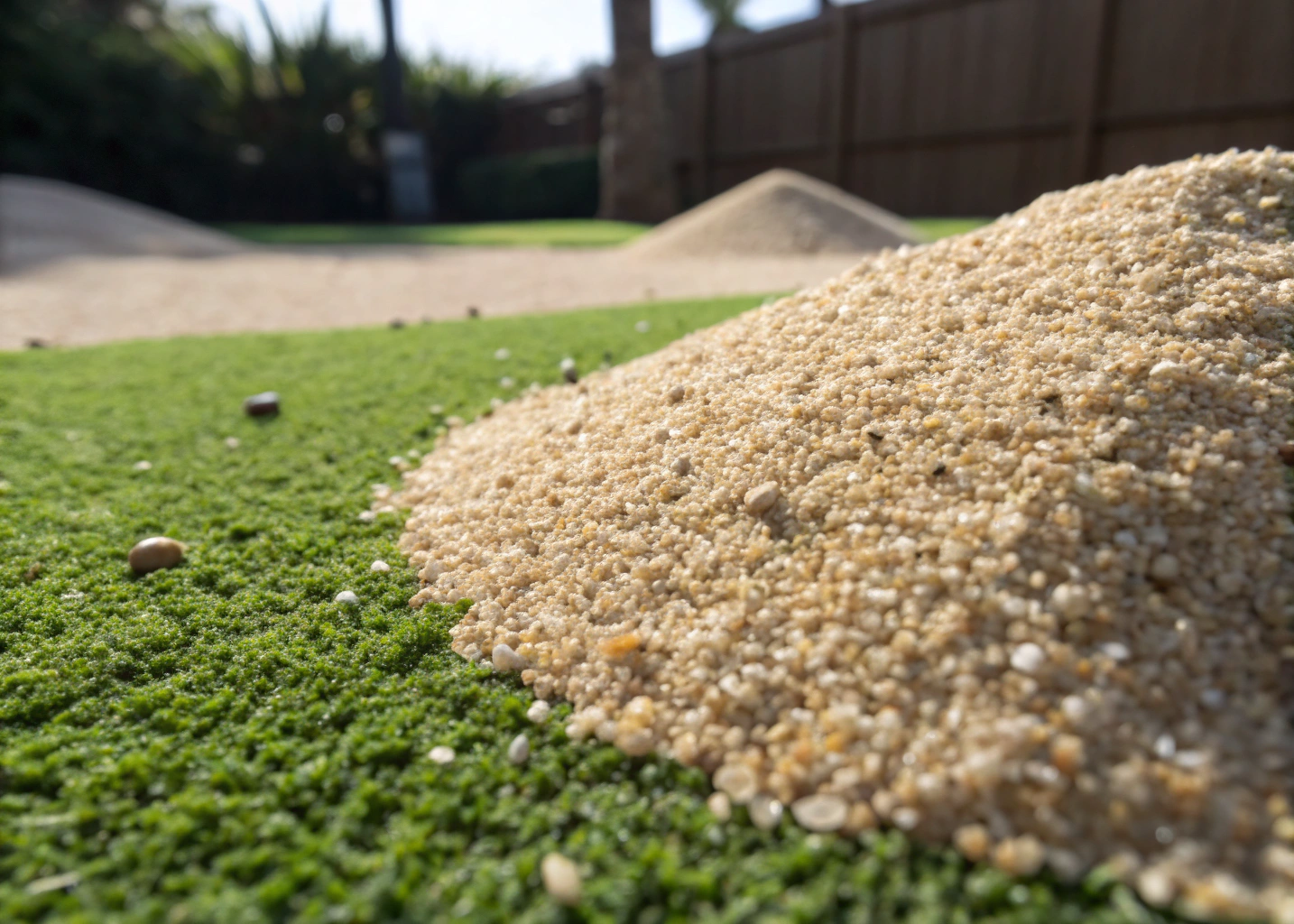
The best infill depends on how the surface is used, whether pets have access, and your local climate conditions. Here’s how the main options break down:
- Kiln-dried silica sand — the standard choice for most residential installs; angular particle shape keeps fibres standing upright; apply at 3–5kg per sqm
- Zeolite — the right call for pet areas and dog runs; absorbs ammonia at the source rather than just masking the smell; apply at 1–2kg per sqm layered with sand
- Acrylic-coated sand (e.g. Envirofill) — worth considering for high-traffic or high-visibility installs; resists compaction, bacterial growth, and odour; higher upfront cost
- Organic infill (cork or coconut fibre) — cooler underfoot in summer, which matters in Wollongong’s humidity; needs periodic top-up as it breaks down over time
For most Wollongong residential installs, kiln-dried silica sand with zeolite in the pet zones is the right starting point.

Why Infill Is the Component That Makes or Breaks a Synthetic Grass Installation
Most people focus on the turf itself — the pile height, the colour, how it feels. Infill rarely comes up until something goes wrong.
But infill is doing the real work. It keeps fibres standing upright instead of matting flat. It acts as ballast so the surface stays stable underfoot. And it directly affects how well the turf drains after rain and how hot it gets on a summer afternoon — both things that matter in the Illawarra.
When the specification is wrong or the quantity is too low, the signs show up fast. Pile lies flat in high-traffic areas. The surface feels firm and unforgiving. Drainage slows. In pet zones, odour builds between cleans.
Getting the synthetic grass infill right means matching the product to the job from the start.
Matching the Right Infill to Your Specific Application
| Application | Recommended Infill |
|---|---|
| Standard residential backyard | Kiln-dried silica sand |
| Pet use area or dog run | Zeolite layered with silica sand |
| Pool surround | Acrylic-coated sand |
| High-traffic family lawn | Acrylic-coated sand or compaction-resistant silica sand |
| Sports surface | Crumb rubber or alternative impact-attenuation infill |
| Rental or investment property | Kiln-dried silica sand |
| Rooftop or balcony install | Acrylic-coated sand — weight and drainage considerations apply |
| Eco / sustainability-focused install | Organic infill (cork or coconut fibre) |
How Much Infill Does Your Installation Actually Need?
Ordering too little stalls the job. Ordering too much wastes money. Getting the quantity right before you order is worth the five minutes it takes.
Here are the standard application rates by product:
- Kiln-dried silica sand — 3–5kg per sqm
- Zeolite — 1–2kg per sqm, layered with sand
- Acrylic-coated sand — 3–4kg per sqm
- Crumb rubber — 3–6kg per sqm for sports surfaces
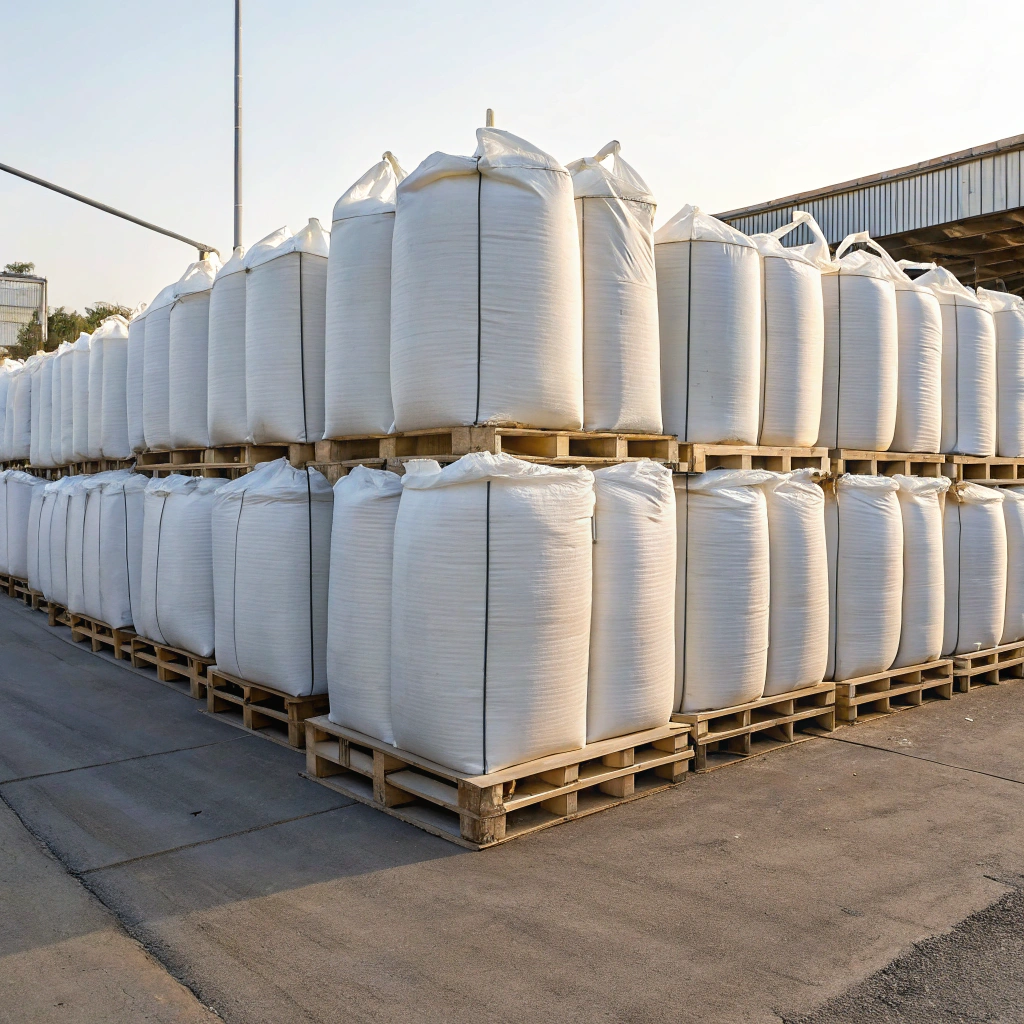
A typical Wollongong backyard runs around 80sqm. At standard silica sand spec, that’s 240–400kg depending on the turf product and pile height. That’s bulk delivery territory — not something you’re carrying home from a hardware store.
Before you order, tell us your area in sqm and the turf product you’re using. We’ll confirm the right product, the right quantity, and get it to you.
Infill Top-Up Supply: When an Existing Surface Starts to Show Its Age
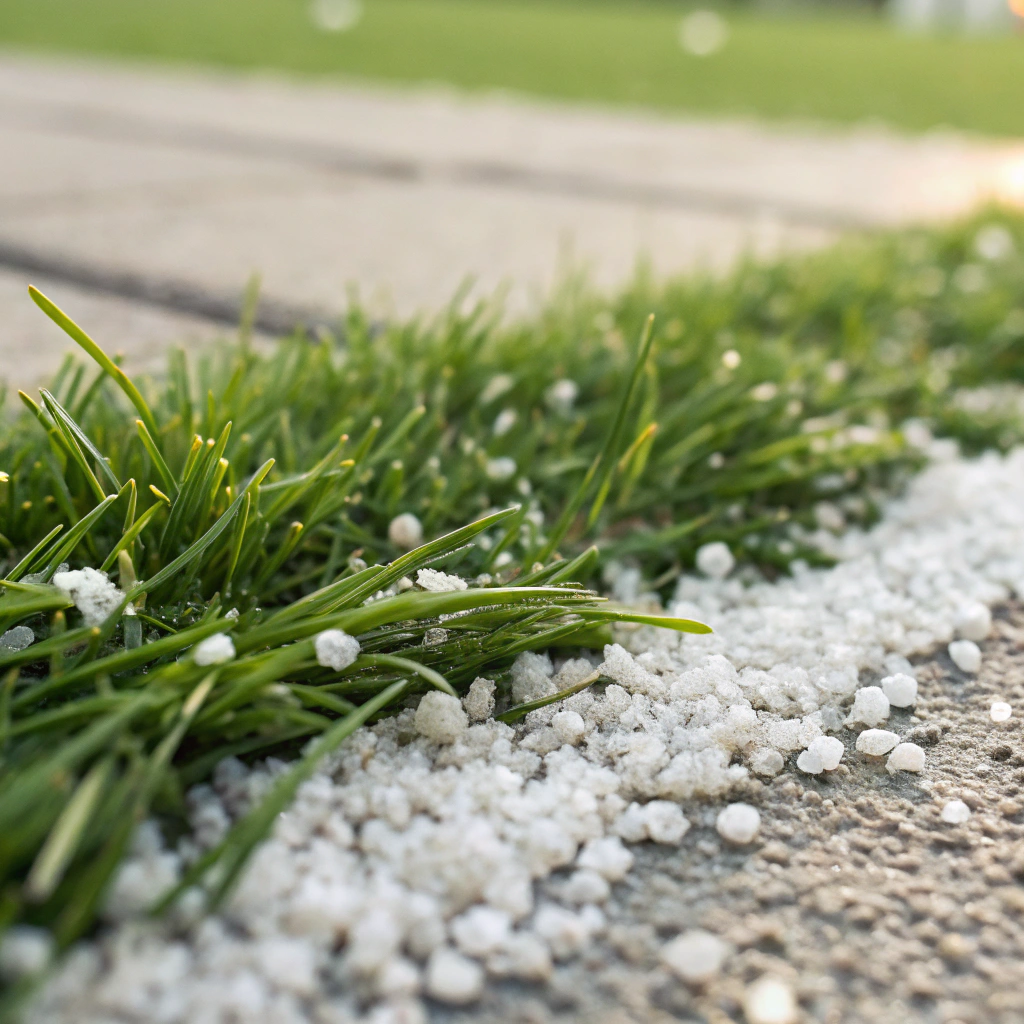
Infill doesn’t disappear overnight — it depletes gradually, and most people don’t notice until the surface is already telling them something’s wrong.
The signs are pretty clear when you know what to look for. Pile lying flat in the areas that get the most foot traffic. The surface feeling harder underfoot than it used to. Fibres that don’t spring back after someone walks through. In pet zones, odour coming back faster between cleans.
What’s happening is straightforward. Foot traffic pushes infill toward the edges of the surface over time. Rain and hosing wash fine particles down through the drainage layer. Slowly, the infill level drops below where it needs to be.
A top-up is usually all it takes to bring the surface back. It’s a fraction of the cost of replacement and most homeowners can handle it themselves with the right product and a stiff brush. We can tell you exactly what to order and how much based on your surface area and what’s already down there.
Crumb Rubber and the Sports Turf Conversation
Crumb rubber is the established infill for synthetic sports surfaces — ovals, training grounds, and courts where impact absorption is a safety requirement. It does a job that sand-based infills aren’t designed for.
There’s an ongoing conversation around crumb rubber and health, particularly for surfaces children use regularly. We’re not going to overstate or dismiss it. Current Australian standards permit crumb rubber use and it remains the default for most sports applications. At the same time, there’s a clear trend toward alternative infill products for surfaces with regular child access.
If you’re specifying a sports surface, we can talk through both crumb rubber and the alternatives — what each costs, how they perform, and what the compliance picture looks like for your application.
Infill Supply for Trade and Landscaping Contractors in the Illawarra
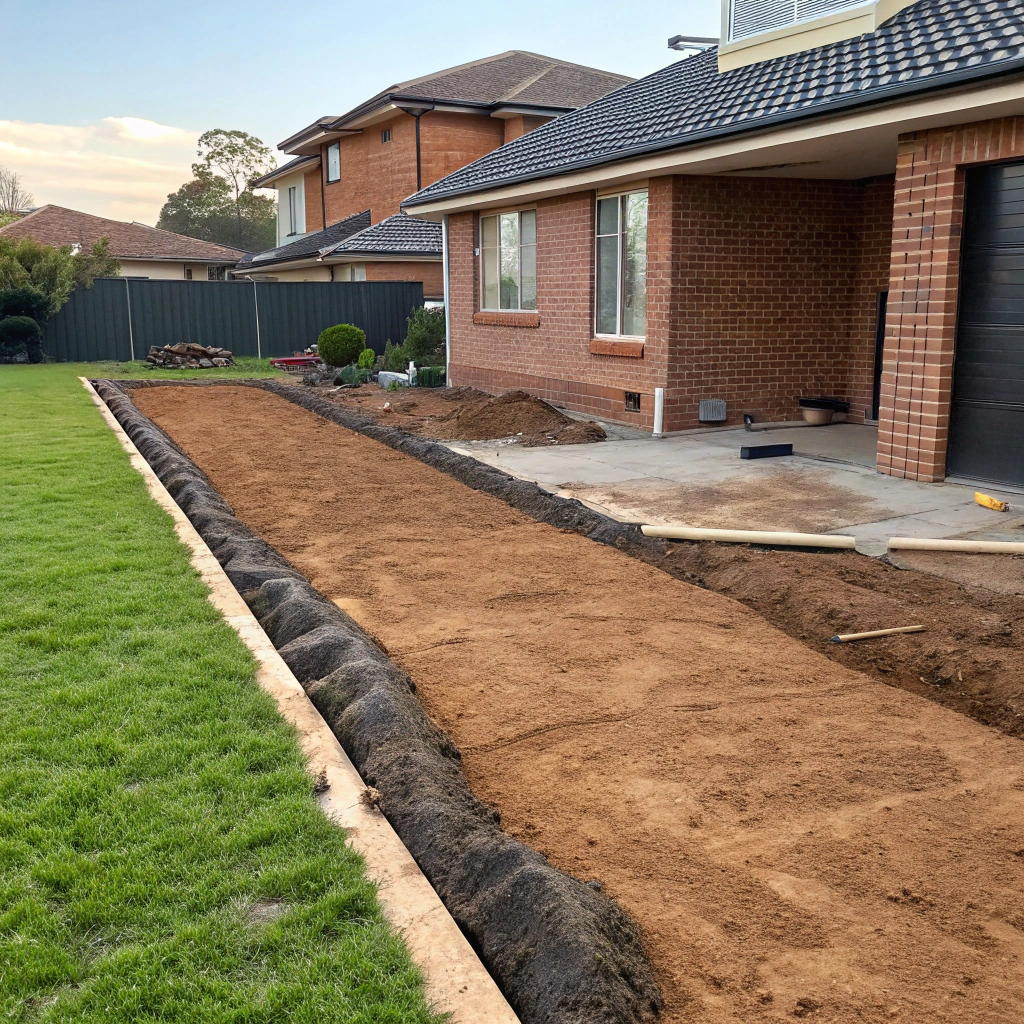
If you’re running installations across the Illawarra, your project economics depend on infill arriving on time, to spec, and without surprises. A retail supply chain doesn’t cut it when you’ve got a crew on site and a job to finish.
We supply trade turf supply in Wollongong and across the region with consistent product quality across every order, reliable stock availability, and bulk and pallet quantities that suit contractors running multiple jobs at once. Trade pricing is available for account holders.
Whether you’re running one install a week or several concurrent projects, we can work around your schedule and delivery requirements. Get in touch to set up a trade account and talk through what you need.
Bulk Infill Delivery Across Wollongong and the Illawarra
We handle turf infill supply Wollongong and across the Illawarra — from small bags for a straightforward top-up job through to bulk pallet quantities for large new installs.
A standard residential backyard typically needs 100–300kg of infill depending on area and product. Larger commercial installs can run into several tonnes. That’s not something most customers can move themselves, and that’s where delivery makes the difference.
We deliver across Wollongong, Shellharbour, Kiama, Dapto, Fairy Meadow, Thirroul, Albion Park, and surrounding suburbs. Tell us your location, your area in sqm, and whether it’s a new install or a top-up — we’ll confirm the right product, calculate the quantity, and get it to your site.
Frequently Asked Questions
We supply kiln-dried silica sand, zeolite, acrylic-coated sand, organic infill (cork and coconut fibre), and crumb rubber for sports surfaces. We can help you work out which one suits your specific application before you order.
It depends on your area in sqm and the product you’re using. As a general guide, silica sand runs at 3–5kg per sqm, zeolite at 1–2kg per sqm layered with sand, and acrylic-coated sand at 3–4kg per sqm. Give us your dimensions and we’ll calculate the right quantity for you.
Zeolite layered with silica sand. Zeolite absorbs ammonia from urine at the source rather than just masking the smell. It’s what we recommend for any area where dogs have regular access.
The main signs are pile lying flat in high-traffic areas, the surface feeling harder than it used to, fibres not springing back after foot traffic, and odour returning faster than normal in pet zones. If you’re seeing any of those, a top-up is likely all you need.
Most homeowners can handle a top-up themselves. You’ll need the right product, the correct quantity for your surface area, and a stiff brush to work the infill down into the pile. We can walk you through exactly what to order and how to apply it.
Both. We supply from small bags suitable for top-up jobs right through to bulk pallet quantities for large installs or trade accounts. Whatever the job size, we can accommodate it.
Current Australian standards permit crumb rubber use and it remains the standard specification for most synthetic sports surfaces. There’s ongoing research around health considerations, particularly for surfaces children use regularly, and we’re across that conversation. We can talk through both crumb rubber and the alternative options so you can make the right call for your application.
Get Your Infill Supply Sorted
Tell us your area in sqm, your turf spec, and whether it’s a new install or a top-up job. We’ll confirm the right product and quantity before you order — no guesswork, no over-ordering.
Here’s how it works:
- We confirm your product and quantity
- We arrange delivery or pickup across the Illawarra
- Your infill arrives ready to install
Synthetic Grass Wollongong Pro 📞 02 4202 6370
Serving Wollongong, Shellharbour, Kiama, Dapto, Fairy Meadow, Thirroul, Albion Park, and surrounding Illawarra suburbs.
